






Table of Contents
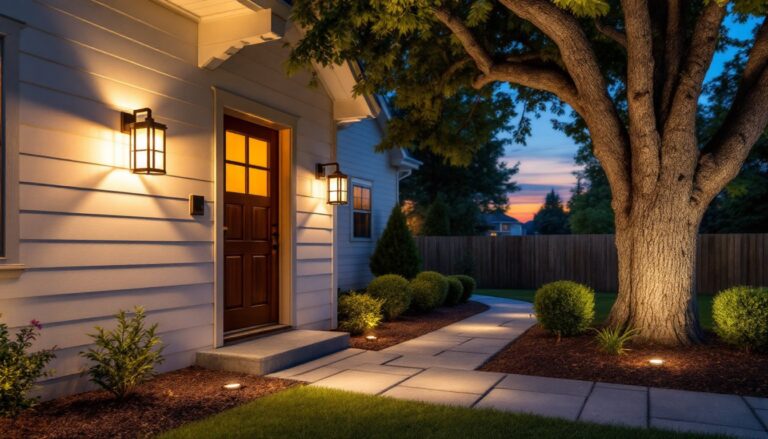
ToggleLow voltage landscape lighting transforms yards from dark, forgettable spaces into after-dark showcases, highlighting architectural features, improving safety along paths, and extending usable outdoor hours well past sunset. Unlike standard 120-volt systems that require an electrician and conduit burial, low voltage setups run on 12 volts, making them safer, more flexible, and genuinely DIY-friendly. Homeowners can install a full lighting layout in a weekend with basic hand tools, no permit hassles, and minimal risk of shock. Whether illuminating a stone walkway, uplighting specimen trees, or washing light across a patio wall, low voltage systems deliver professional results without the professional price tag or complexity.
Key Takeaways
- Low voltage landscape lighting operates safely at 12 volts and can be installed as a weekend DIY project without permits or licensed electricians, unlike standard 120-volt systems.
- Modern LED low voltage fixtures consume only 1–4 watts per light and last 25,000–50,000 hours, delivering significant energy savings and lower replacement costs over time.
- Proper transformer sizing (with 20% headroom), circuit planning, and limiting cable runs to 50–75 feet prevents voltage drop and ensures all fixtures shine at full brightness.
- A layered lighting approach combining task lighting (paths and steps), accent lighting (trees and architecture), and ambient fill creates professional-looking nighttime landscapes.
- Seasonal maintenance—cleaning lenses, inspecting wire connections for corrosion, and testing voltage—keeps landscape low voltage systems running reliably for years with minimal effort.
What Is Low Voltage Landscape Lighting and How Does It Work?
Low voltage landscape lighting operates at 12 volts DC instead of the standard 120-volt household current. A transformer steps down power from your home’s electrical outlet to safe, low-voltage output that feeds through buried or surface-mounted cable to individual light fixtures.
Most transformers include a photocell or timer to automate on/off cycles at dusk and dawn. Wattage capacity matters, common residential transformers range from 150 watts (enough for 8-12 small fixtures) up to 600 watts for larger properties. The transformer typically mounts near an exterior GFCI outlet: from there, 14- or 16-gauge landscape wire runs to fixtures, connecting via waterproof wire nuts or quick-connect clips.
Voltage drop becomes an issue on long cable runs. Beyond 50-75 feet, fixtures at the end of the line may appear dim because resistance saps voltage. Splitting circuits, using heavier 12-gauge wire, or installing multiple transformer taps can mitigate drop. Always calculate total fixture wattage before selecting a transformer, leave at least 20% headroom for stable operation.
Benefits of Choosing Low Voltage Over Standard Lighting
Safety tops the list. At 12 volts, the risk of serious shock is nearly eliminated, safe enough to handle with bare hands while powered on (though it’s still smart to shut off during installation). No conduit burial is mandated by code in most jurisdictions, so cable can lie in shallow trenches or even rest on mulch in low-traffic areas.
Energy efficiency is another win. Modern LED low voltage fixtures draw 1-4 watts each, compared to 20-60 watts for older halogen or standard bulbs. Over a season, the difference shaves dollars off electric bills and qualifies many setups as energy-efficient upgrades that reduce household carbon footprint.
Flexibility matters when adjusting layouts. Fixtures stake into soil, reposition without digging up hardscape, and can be added or removed as plantings mature. Cable splices with waterproof connectors make it simple to branch circuits mid-run.
Cost is lower upfront and over time. No licensed electrician is required for installation, just a transformer plug-in and DIY labor. Replacement bulbs (especially LEDs) last 25,000-50,000 hours, meaning years between changes. Compare that to line-voltage systems requiring conduit, junction boxes, and code inspections, and the savings multiply quickly.
Types of Low Voltage Landscape Lights for Different Effects
Choosing the right fixture type creates the effect you’re after. Mix and match across your layout for depth and visual interest.
Path lights stand 18-24 inches tall, casting downward pools of light along walkways and driveways. Look for designs with shielded bulbs to minimize glare and light trespass into neighbors’ yards. Brass or powder-coated aluminum bodies hold up better than plastic in freeze-thaw cycles.
Spotlights and bullet lights deliver focused beams for uplighting trees, flagpoles, or architectural details. Adjustable heads let you dial in the angle after installation. Narrow beam spreads (15-30 degrees) work for tall, narrow targets: wider floods (60+ degrees) wash light across broad surfaces.
Well lights recess into the ground, sitting flush with grade. They’re ideal for uplighting trunks or garden statuary without visible hardware. Ensure the housing has a removable top for easy bulb access, buried fixtures are a pain if you can’t service them without digging.
Deck and step lights mount into risers or post caps, improving safety on stairs and elevated platforms. Many building codes now recommend or require illumination on outdoor steps: low voltage options meet that need without hardwiring into deck structure.
Wash lights and hardscape lights spread wide, even beams across walls, fences, or paving. Grazing light across textured stone or brick emphasizes relief and adds drama. Some homeowners integrate modern LED panel-style designs for sleek, minimalist aesthetics.
Planning Your Landscape Lighting Layout
Start by walking your property at night with a flashlight. Note dark zones, trip hazards, and features you want to highlight. Sketch a simple site plan showing existing outlets, planting beds, pathways, and structures.
Layering is the key to professional results. Combine task lighting (paths, steps), accent lighting (trees, architecture), and ambient fill (soft background illumination). Avoid the “airport runway” look, stagger fixtures rather than lining them up symmetrically.
Transformer placement should be within 10 feet of a GFCI-protected outlet, mounted on an exterior wall or post at least 12 inches above grade to prevent water damage. If your property is large, consider multiple transformers to reduce cable runs and voltage drop. Expert advice from sources like Fine Homebuilding recommends keeping individual runs under 100 feet when using 12-gauge wire.
Circuit planning matters. Total the wattage of all fixtures on a single cable run, stay under 80% of transformer capacity. Group fixtures by zone (front yard, backyard, driveway) so you can control them independently with timers or smart switches.
Mark fixture locations with spray paint or flags, then lay out cable on the surface before trenching. This dry run catches spacing issues and lets you adjust angles. Aim for fixtures every 8-10 feet along paths, closer on stairs. Uplight trees from a distance equal to half their height for balanced coverage.
DIY Installation: Step-by-Step Guide to Installing Low Voltage Lights
Gather your materials and tools before starting. You’ll need:
Materials:
- Transformer (sized to total fixture wattage + 20% margin)
- Low voltage fixtures (path, spot, well, etc.)
- 12- or 14-gauge landscape wire
- Waterproof wire connectors or quick-connect clips
- Cable staples or stakes
Tools:
- Flat-blade spade or trenching shovel
- Wire strippers and lineman’s pliers
- Drill with masonry bit (if mounting transformer to brick)
- Voltage tester or multimeter
- Safety glasses (wear when driving stakes into rocky soil)
Step-by-Step Process
-
Mount the transformer near a GFCI outlet. Most units include keyhole slots for screw mounting. Plug it in but leave it switched off during installation.
-
Lay out cable runs along your marked route. Don’t cut wire yet, work from the spool and leave slack at each fixture location (12-18 inches).
-
Trench the cable. Dig a narrow slit 4-6 inches deep using the spade’s edge. In mulched beds, you can often skip trenching and simply press cable into the surface: cover with an inch of mulch to protect from UV and foot traffic. Cross paved areas by running wire under edging or through conduit sleeves if necessary.
-
Install fixtures. Drive stake-mounted lights into soil at marked spots, angling as needed. For well lights, dig a cavity sized to the housing, level it, backfill with gravel for drainage, and set the fixture flush with grade. Spotlights may require small concrete footers in loose soil to prevent tipping.
-
Connect wiring. Strip 1/2 inch of insulation from cable and fixture leads. Twist together, secure with waterproof wire nuts, and wrap the connection with self-fusing silicone tape. Some kits use quick-connect clips, pierce the main cable with built-in teeth and snap the fixture lead into place. These save time but can corrode if not filled with dielectric grease.
-
Test the system. Switch on the transformer and walk the circuit after dark. Check for dim or dead fixtures, these often indicate loose connections or voltage drop. Measure voltage at the last fixture with a multimeter: it should read at least 10.5 volts. If lower, upgrade to heavier wire or split the circuit.
-
Bury and finish. Once everything works, backfill trenches, tamp soil, and replace mulch or sod. Coil excess cable near the transformer and secure with cable ties, don’t cut it off: you may want to add fixtures later.
Many DIYers reference resources like Bob Vila for additional installation troubleshooting and best practices across various outdoor projects.
Maintenance Tips to Keep Your System Running Smoothly
Low voltage systems are low-maintenance, but a few seasonal checks prevent headaches.
Clean lenses and fixtures twice a year. Dirt, pollen, and spider webs block light output. Wipe glass or acrylic lenses with a damp cloth: avoid abrasive cleaners that scratch coatings. Check for moisture inside housings, condensation signals a failed gasket.
Inspect wire connections annually. Corrosion on wire nuts or quick-connects increases resistance and causes dimming. Re-strip corroded ends, apply dielectric grease, and re-connect. Look for cable damage from edging tools or rodents: wrap nicked insulation with electrical tape or replace the section.
Trim vegetation that has grown over fixtures. Overgrown shrubs block light and trap moisture, accelerating rust. Adjust fixture angles as plantings mature, a tree that was 8 feet tall at install may now need the spotlight moved back.
Test voltage at the farthest fixture if you notice dimming. Voltage drop worsens as connections age. Adding a second transformer or upgrading to thicker wire solves the issue.
Replace bulbs promptly. Even long-life LEDs eventually fail. Keep spares on hand and note the bulb type (MR16, G4, integrated LED module). Some older systems use halogen bulbs, switching to LED retrofits cuts energy use by 75% and reduces heat, extending fixture life.
Check the transformer for debris buildup in vents and ensure the photocell isn’t obstructed by foliage. Reset timers after power outages. Many advanced lighting systems now offer smart controls that simplify scheduling and alert you to faults.
Winter prep: In cold climates, ensure well lights have drainage holes clear of ice. Stake-mounted fixtures rarely need removal, but disconnecting and storing delicate or expensive units prevents freeze damage and theft.
Conclusion
Low voltage landscape lighting strikes the rare balance of safety, flexibility, and professional polish, all within reach of a determined DIYer. Plan thoughtfully, size components correctly, and don’t skip the test phase before backfilling. With proper placement and a bit of seasonal upkeep, a well-designed system will serve reliably for years, turning evenings outdoors into something worth lingering over. For more DIY inspiration and practical guides, The Spruce offers extensive resources across home improvement and outdoor projects.