

Table of Contents
ToggleSan Antonio’s mild winters and long summer evenings make outdoor living spaces an extension of the home. Landscape lighting doesn’t just improve curb appeal, it extends usable hours in the yard, boosts security, and highlights architectural details that vanish after dark. With Texas heat, sudden storms, and voltage considerations unique to low-voltage systems, choosing the right fixtures and installation method matters. This guide walks through climate-specific considerations, popular lighting styles, and practical decisions San Antonio homeowners face when upgrading exterior lighting.
Key Takeaways
- Landscape lighting in San Antonio extends outdoor living hours year-round and boosts security, but requires UV-resistant fixtures rated IP65 or higher to withstand intense heat, moisture, and corrosion from the local climate.
- Most landscape lighting in San Antonio uses low-voltage 12-volt systems that allow legal DIY installation without permits, though voltage drop over long runs requires proper gauge wiring or multiple circuits to maintain brightness.
- LED fixtures consume 85% less energy than halogen alternatives and last 10–15 years, delivering warm white (2700K–3000K) light that complements San Antonio’s Spanish Colonial and Hill Country home styles.
- Uplighting mature trees like live oaks and pecans, paired with wall-mounted downlights on stucco or arches, creates dramatic accent lighting that highlights architectural details without over-lighting the property.
- Professional installation ($200–$400 per fixture) makes sense for complex multi-circuit designs, line-voltage wiring requiring permits, or challenging terrain, while simple path lighting projects suit experienced DIYers.
- Durable materials such as brass, copper, or marine-grade aluminum housings, tempered glass lenses, and quality LED drivers with thermal management prevent premature failure from Texas heat and sporadic flash flooding.
Why Landscape Lighting Matters in San Antonio’s Climate
San Antonio’s USDA Zone 9a climate presents unique challenges for outdoor lighting. Summer temperatures routinely exceed 100°F, which can degrade cheap plastic housings and cause inferior LED drivers to fail prematurely. UV exposure is intense, fixtures rated for UV resistance last years longer than generic options.
Moisture is less predictable. While average annual rainfall sits around 32 inches, the city experiences sporadic heavy downpours and flash flooding. Any fixture installed near grade or in low-lying areas needs an IP65 or higher ingress protection rating to handle submersion or splashing. Corrosion is another factor: even stainless steel can pit in areas with alkaline soil or where sprinklers hit fixtures regularly.
Security is a practical driver. Well-lit walkways, driveways, and entry points deter opportunistic trespassers. Motion-activated fixtures near side gates or dark corners add a layer of active deterrence without leaving lights on all night.
Finally, outdoor living is year-round here. Patios, pergolas, and poolside areas see heavy use from March through November. Thoughtful lighting extends those spaces into evening hours, supporting everything from family dinners to late-night swims without harsh floodlights.
Popular Landscape Lighting Styles for San Antonio Homes
Path and Walkway Lighting Solutions
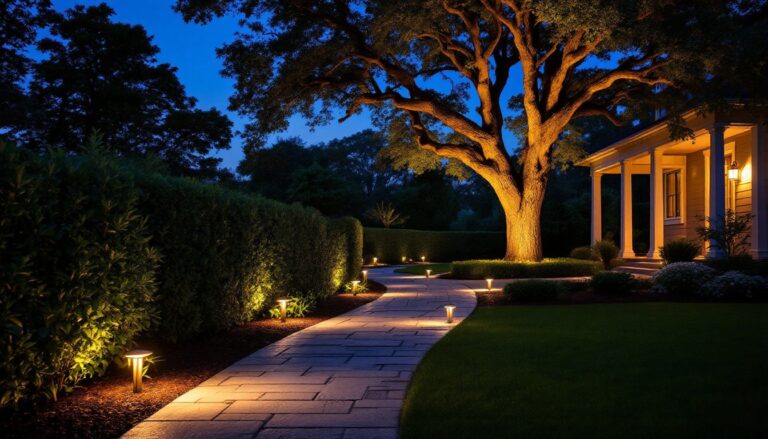
Path lights are the workhorse of landscape lighting. Standard spacing runs 8 to 10 feet apart along walkways, though tighter spacing works on curves or uneven terrain. Most path fixtures use 1.5- to 3-watt LEDs, casting downward light that defines edges without glare.
Materials matter in Texas heat. Cast aluminum and powder-coated steel housings hold up better than plastic. Look for fixtures with replaceable LED modules, when a diode eventually fails, you swap the module instead of the entire fixture.
For gravel or decomposed granite paths common in San Antonio xeriscaping, spike-mount fixtures work well. Concrete or flagstone paths benefit from recessed paver lights (also called hardscape lights), which sit flush and handle foot traffic. These require cutting into the paving surface, so plan placement before installation.
Bollard lights are another option, short posts ranging from 18 to 36 inches tall. They’re more visible during the day and less prone to being knocked over by lawn equipment, but they cost more per unit than stake-mounted path lights.
Accent Lighting for Trees and Architectural Features
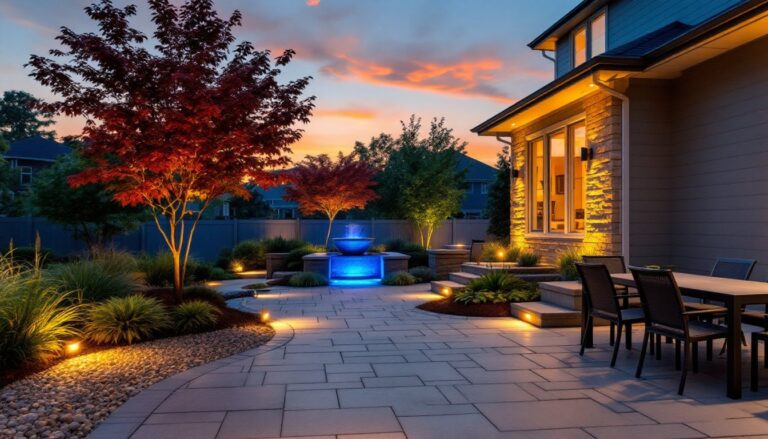
Uplighting is the go-to technique for live oaks, pecans, and other mature trees that define San Antonio landscapes. A 3- to 5-watt LED spotlight positioned 2 to 4 feet from the trunk creates dramatic shadows through the canopy. Use a narrow beam (10–20°) for tall trunks and a wider flood (40–60°) for spreading branches.
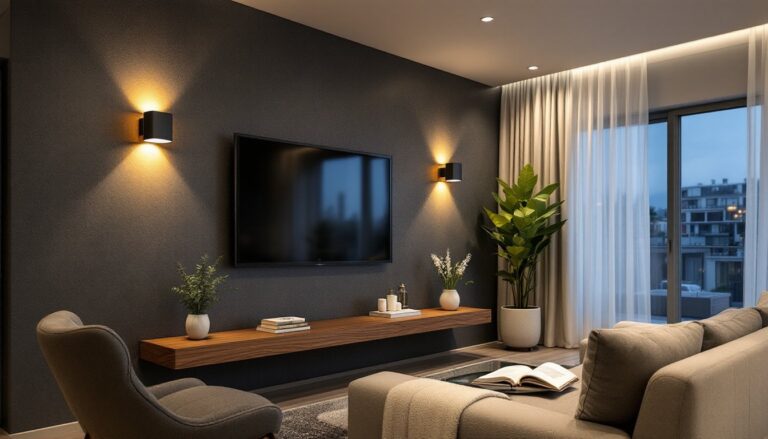
For Spanish Colonial or Hill Country-style homes, wall-mounted downlights (also called soffit lights) highlight stucco textures and arched entryways. Install them under eaves, aiming down at a 30-degree angle to graze the surface. This technique adds depth without washing out details.
Silhouetting works well for agave, yucca, or ornamental grasses. Place an uplight behind the plant, aiming at a wall or fence, the plant appears as a dark outline against the lit surface. It’s a simple effect that leverages existing hardscaping.
Avoid uplighting structures like chimneys or HVAC units unless they’re intentionally part of the design. Accent lighting should guide the eye, not spotlight every vertical surface.
DIY vs. Professional Installation: What San Antonio Homeowners Should Know
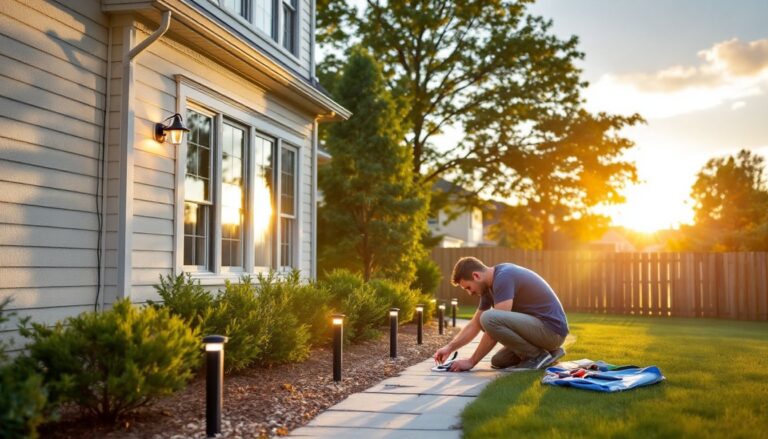
Most residential landscape lighting runs on 12-volt low-voltage systems, which don’t require an electrical permit in Texas when installed downstream of a plug-in transformer. This makes DIY installation legal and relatively safe for homeowners comfortable with basic wiring.
A typical DIY setup includes:
- Low-voltage transformer (150–300 watts, depending on total fixture load)
- Outdoor-rated 12/2 or 14/2 cable (12-gauge handles longer runs with less voltage drop)
- Waterproof wire connectors (silicone-filled or heat-shrink types)
- Fixtures with integrated stakes or mounts
Voltage drop is the main technical hurdle. Over a 100-foot run, a 12-gauge wire carrying 120 watts loses roughly 2 volts. This dims fixtures at the far end. Solutions include using higher-gauge wire (10 AWG) for long runs, splitting the circuit with a multi-tap transformer, or installing a second transformer mid-run.
Burying cable requires trenching 6 to 8 inches deep. In San Antonio’s caliche-heavy soil, a trenching shovel or mattock works better than a standard spade. Mark sprinkler lines and existing utilities before digging, Texas law requires calling 811 for locates on public utilities, though private irrigation lines won’t show up.
Professional installation makes sense when:
- The project involves line-voltage (120V) wiring, which requires a licensed electrician and permits
- The design includes complex zoning (multiple circuits controlled by timers or smart controllers)
- The property has challenging terrain, extensive hardscaping, or underground obstacles
- The homeowner wants warranty coverage on both labor and fixtures
Pros typically charge $200–$400 per fixture installed, including materials and wiring. That’s steep for a 10-light path project, but competitive for a whole-property design with uplighting, downlighting, and integrated controls. Some lighting systems incorporate smart features that benefit from professional programming.
Choosing the Right Fixtures for Texas Weather
Material durability is non-negotiable. Fixtures with solid brass, copper, or marine-grade aluminum housings outlast powder-coated steel in San Antonio’s climate. Plastic lenses yellow and crack under UV exposure: opt for tempered glass or polycarbonate lenses rated for outdoor use.
IP ratings indicate moisture and dust protection. The first digit covers solids (dust), the second covers liquids:
- IP44: Splash-resistant: acceptable for covered soffits
- IP65: Dust-tight and water-jet resistant: minimum for ground-level fixtures
- IP67: Submersion-resistant up to 1 meter: necessary for pond lights or flood-prone areas
San Antonio’s expansive clay soil shifts with moisture changes, which can tilt or dislodge fixtures over time. Integrated ground stakes should penetrate at least 6 inches. For hardscape mounts, use stainless steel anchors in pre-drilled holes with silicone sealant to prevent water intrusion.
Heat tolerance matters for LED drivers (the component that regulates power to the diode). Cheap drivers fail when internal temps exceed 185°F, which happens inside a black metal housing in July. Look for fixtures with thermally managed drivers or separately housed transformers.
Finish choices affect longevity. Powder-coated finishes resist chipping better than paint, but they eventually fade. Natural copper and brass develop a patina over time, some homeowners prefer the aged look, others seal fixtures annually with clear lacquer to maintain the original finish.
Warranty length is a tell. Reputable manufacturers offer 5- to 10-year warranties on housings and 3- to 5-year warranties on LED components. Anything less suggests disposable construction.
Energy-Efficient LED Options and Cost Savings
LED landscape lighting has replaced halogen almost entirely. A typical 3-watt LED delivers the same lumen output as a 20-watt halogen, reducing energy use by 85%. For a 12-fixture system running 6 hours nightly, that’s roughly $60/year in electricity savings at San Antonio’s average rate of $0.12/kWh.
LED lifespan is rated in hours: 30,000 to 50,000 hours is standard, translating to 10–15 years at typical residential use. Halogen bulbs last 2,000 hours, requiring frequent replacement and ladder work.
Color temperature affects ambiance. Measured in Kelvin:
- 2700K–3000K (warm white): Traditional landscape look, complements brick and wood tones
- 3500K–4000K (neutral white): Crisper light, works for modern or minimalist designs
- 5000K+ (cool white): Harsh for residential: better for security lighting or commercial use
Many homeowners default to warm white for path and accent lights. Cooler temps can make foliage look washed out.
Lumens per watt indicates efficiency. Quality LEDs produce 80–100 lumens per watt. A 3-watt fixture should deliver 240–300 lumens. Marketing claims sometimes inflate these numbers: cross-check specs if a figure seems unusually high.
Dimming and controls extend flexibility. Not all low-voltage LEDs are dimmable, check compatibility with your transformer or controller. Smart systems (WiFi or Zigbee-enabled) allow scheduling, zoning, and remote adjustment, though they add $200–$500 to project costs. For most DIY installs, a simple photocell or timer on the transformer handles daily on/off cycles.
Design choices that boost efficiency include using spot lighting strategically instead of over-lighting every feature. A well-placed 5-watt uplight on a focal tree often creates more impact than a dozen 3-watt path lights scattered randomly. Homeowners looking for outdoor design inspiration can find examples of effective layering that prioritizes key features.
Rebates and incentives: CPS Energy (San Antonio’s utility) occasionally offers rebates for LED upgrades, though landscape lighting is rarely included. Federal tax credits under the Inflation Reduction Act cover some energy-efficient home improvements, but outdoor lighting hasn’t qualified in recent years. For broader home improvement project ideas, check current incentive programs.
Maintenance is minimal but not zero. Clean lenses annually to prevent dirt buildup that reduces output by 20–30%. Check connections for corrosion, especially after heavy rain. Tighten stake mounts if shifting soil has tilted fixtures. Those seeking comprehensive guides on seasonal maintenance will find routine outdoor lighting care fits into broader spring and fall checklists.