

Table of Contents
ToggleSelecting the right outdoor lighting fixture isn’t about grabbing the shiniest option at the hardware store. It’s about matching function to form, ensuring your porch lights actually illuminate walkways, your wall sconces survive winter storms, and your fixtures complement your home’s architecture instead of clashing with it. Whether you’re replacing a corroded floodlight or adding ambiance to a back patio, the wrong choice means money wasted and a return trip. This guide walks through the practical factors that determine which fixtures belong on your home’s exterior, no guesswork required.
Key Takeaways
- Match outdoor lighting fixtures to function first—task lighting for entryways (700–1300 lumens), accent lighting for features, security lighting for motion detection, and ambient lighting (200–400 lumens) for patios.
- Check IP ratings and materials when choosing an outdoor lighting fixture; coastal homes need IP65 or higher with marine-grade materials like 316 stainless steel, while most residential areas require at least IP44 for weather resistance.
- Select LED fixtures with appropriate color temperature (2700K–3000K for warm, inviting spaces; 5000K–6500K for security areas) and verify UL wet or damp location ratings to avoid warranty voids and fire hazards.
- Match fixture style and finish to your home’s architecture—traditional homes suit lantern designs with oil-rubbed bronze, while modern homes call for clean-lined sconces in matte black or brushed nickel.
- Position fixtures strategically: entryway sconces 65–70 inches high and 8–10 feet apart, pathway lights 6–10 feet apart with overlapping light pools, and ensure proper placement before installation to prevent safety issues and costly callbacks.
- Plan your lighting layout on a site map noting power sources and distances to avoid purchasing fixtures with inadequate cord lengths and to determine if new wiring or permits are needed.
Understanding Your Outdoor Lighting Needs and Goals
Before comparing fixtures, identify what the light needs to accomplish. Different spaces demand different performance.
Task lighting handles specific jobs: illuminating steps, doorways, and pathways where visibility prevents trips and falls. These fixtures need focused beams and sufficient brightness (typically 700–1300 lumens for entryways). Mount them 5½–6 feet off the ground for optimal coverage without glare.
Accent lighting highlights architectural features, landscaping, or trees. These fixtures use narrower beams (15–30 degree spread) and lower wattage to create visual interest without overpowering the space. Bullet lights and well lights excel here.
Security lighting prioritizes coverage and detection. Motion-activated floodlights (1800+ lumens) deter intruders and illuminate dark corners. Pair them with fixtures that have adjustable heads to control where light lands, you want the driveway lit, not your neighbor’s bedroom window.
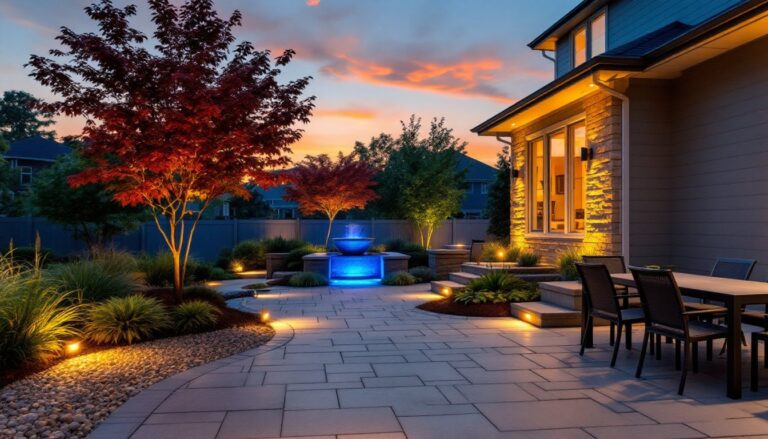
Ambient lighting sets mood for patios, decks, and dining areas. String lights, lanterns, and sconces in the 200–400 lumen range provide enough glow for conversation without harsh brightness. Dimmable options add flexibility.
Draw a rough site plan. Mark where you need light, note nearby power sources, and measure distances. This prevents buying fixtures with 8-foot cords when the nearest outlet is 15 feet away. If you’re running new wiring, especially 120V line voltage, consult local electrical codes, many jurisdictions require permits for outdoor electrical work beyond simple fixture replacement.
Key Factors to Consider When Selecting Outdoor Fixtures
Outdoor fixtures face conditions that would destroy interior lights in a season. Here’s what separates hardware-store impulse buys from fixtures that last.
Weather Resistance and Durability Ratings
IP (Ingress Protection) ratings tell you what a fixture can handle. The two-digit code isn’t optional marketing, it’s a standardized measure of protection against solids and liquids.
The first digit (0–6) rates solid particle protection. The second digit (0–9) rates liquid protection. For most residential outdoor use:
- IP44: Splash-resistant. Works for covered porches and overhangs where rain doesn’t directly hit the fixture.
- IP54: Better dust protection, handles rain spray. Suitable for partially exposed walls.
- IP65: Dust-tight and protected against water jets. Use for fully exposed locations like open decks or coastal areas.
- IP67–68: Submersion-resistant. Required for in-ground well lights or fixtures near pools.
Coastal homes need higher ratings due to salt spray corrosion. Fixtures in those environments should also use marine-grade materials: 316 stainless steel, solid brass, or powder-coated aluminum. Skip zinc alloy and basic painted steel, they’ll pit and corrode within two years near saltwater.
Check the operating temperature range listed in specs. Some LED drivers fail in extreme cold (below -4°F) or high heat (above 104°F). Northern climates need cold-rated electronics: desert and southern locations require heat-tolerant components.
UL (Underwriters Laboratories) wet or damp location rating is also mandatory. Damp-rated fixtures work under cover. Wet-rated fixtures handle direct rain exposure. Using a damp-rated fixture in a wet location voids warranties and creates fire hazards.
Style and Design That Complements Your Home
Fixtures should echo your home’s existing architecture, not fight it. Mismatched styles look like afterthoughts.
Traditional homes (Colonial, Victorian, Craftsman) pair well with lantern-style fixtures, coach lights, and designs with beveled glass or seeded glass panels. Look for finishes like oil-rubbed bronze, aged brass, or black iron. Scale matters, a 6-inch lantern on a two-story Colonial entryway looks timid. Aim for fixtures that are roughly 25–30% the height of the door for proper proportion.
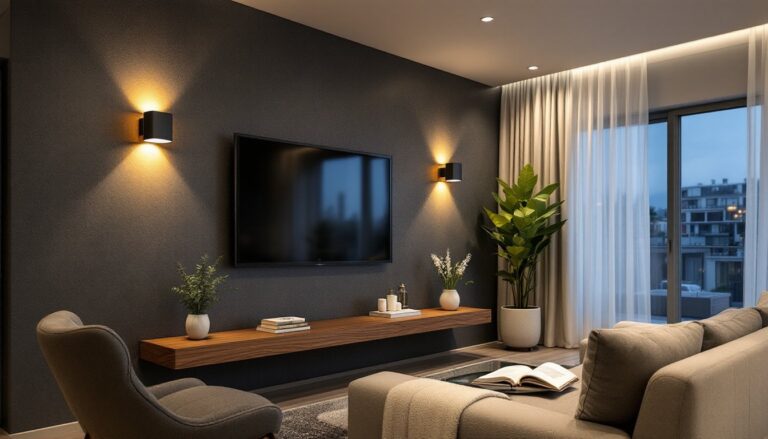
Modern and contemporary homes call for clean-lined fixtures: geometric wall sconces, cylinder downlights, or minimalist flush mounts. Brushed nickel, matte black, and graphite finishes work here. Avoid ornate details.
Farmhouse and rustic styles benefit from fixtures with industrial touches: cage designs, Edison-style bulbs (or LED equivalents), and galvanized or weathered finishes. Vintage farmhouse lighting often incorporates barn light-inspired silhouettes that work on porches and garage exteriors.
Transitional homes bridge traditional and modern. Look for simplified classic shapes without heavy ornamentation, streamlined lanterns or tapered sconces in brushed bronze or satin nickel.
Match metal finishes to existing hardware (door handles, house numbers, mailbox) for visual cohesion. Mixing metals can work, but limit it to two finishes maximum.
Choosing the Right Light Source and Bulb Type
The bulb, or integrated LED, determines color, efficiency, and how often you’re on a ladder changing it.
LED fixtures dominate outdoor lighting now, and for good reason: 25,000–50,000 hour lifespans (7–15 years at typical usage), 75–80% less energy than incandescent, and minimal heat output. They come in two forms:
- Integrated LED: The LED is built into the fixture. You can’t replace the bulb, but the entire assembly is designed as a unit with optimized optics and heat dissipation. When it fails (eventually), you replace the whole fixture.
- LED-compatible sockets: Standard E26 or GU10 sockets accept screw-in LED bulbs. Easier to replace, more flexibility in brightness and color temperature.
For most homeowners, integrated LEDs make sense for hard-to-reach locations (second-story walls, high eaves). Use replaceable-bulb fixtures where you might want to adjust brightness or color down the road.
Color temperature measured in Kelvin drastically changes ambiance:
- 2700K–3000K (warm white): Soft, yellowish glow. Best for entryways, porches, and social spaces. Feels inviting.
- 3500K–4000K (neutral white): Crisp but not harsh. Works for task areas like garage entries and utility lighting.
- 5000K–6500K (daylight/cool white): Bright, bluish light. Use for security floodlights and work areas. Can feel clinical in social settings.
Match color temperature across visible fixtures. Mixing 2700K porch lights with 5000K garage floods creates visual discord.
Lumens, not watts, measure brightness. Rough guidelines:
- 100–300 lumens: Accent lighting, pathway markers
- 400–700 lumens: Small entryway fixtures, decorative sconces
- 700–1300 lumens: Primary entry lights, moderate-size wall packs
- 1300–3000+ lumens: Floodlights, large-area security lighting
CRI (Color Rendering Index) matters if you’re lighting landscaping or painted surfaces. A CRI of 80+ shows colors accurately. Cheap fixtures with CRI below 70 make reds look brown and greens look muddy.
Check beam angle specs. Narrow beams (15–30 degrees) spotlight features. Wide beams (90–120 degrees) wash walls and spread light broadly. Adjustable fixtures let you dial this in after installation.
Matching Fixtures to Specific Outdoor Locations
Not all outdoor fixtures work everywhere. Match the fixture type to the location’s demands.
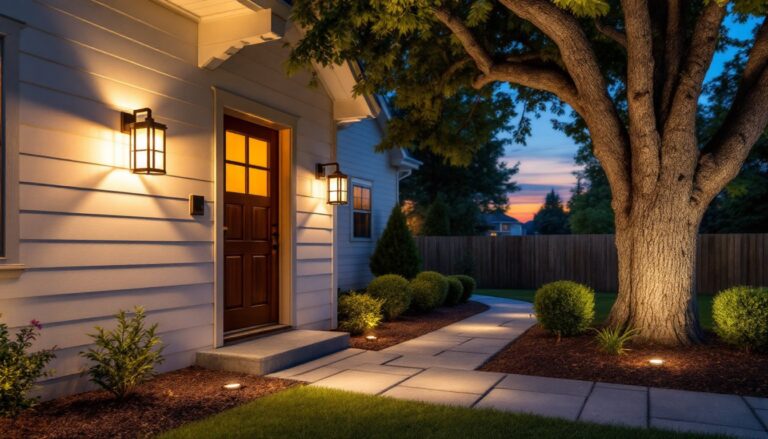
Entryways and front doors: Wall-mounted sconces or lanterns flanking the door are standard. Mount them 65–70 inches off the ground (roughly eye level) and space them 8–10 feet apart if using two. Use fixtures that cast light downward and outward, you want the threshold lit, not just a decorative glow. Motion sensors are practical here but avoid cheap PIR sensors that trigger with every passing car. Look for adjustable sensitivity and timer settings.
Garage and side entries: Utility matters more than style, but that doesn’t mean settling for a bare bulkhead. Wall packs with photocells (automatic dusk-to-dawn operation) and dusk-to-dawn sensors eliminate manual switching. For detached garages without easy wiring, solar-powered LED fixtures with decent battery capacity (look for 2000mAh or higher lithium batteries) provide adequate light without trenching for wiring.
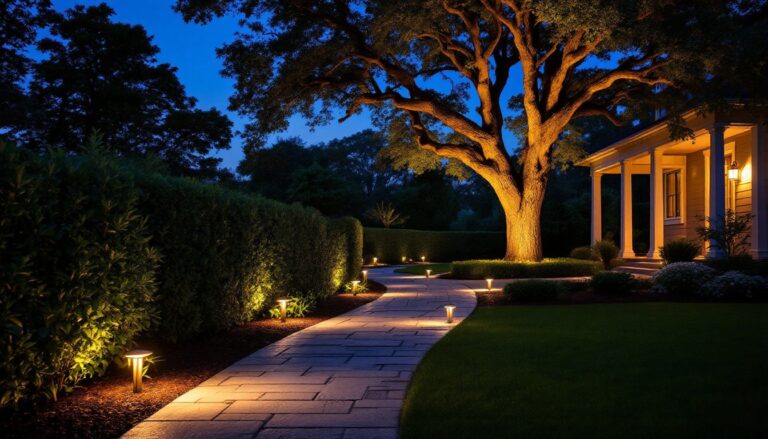
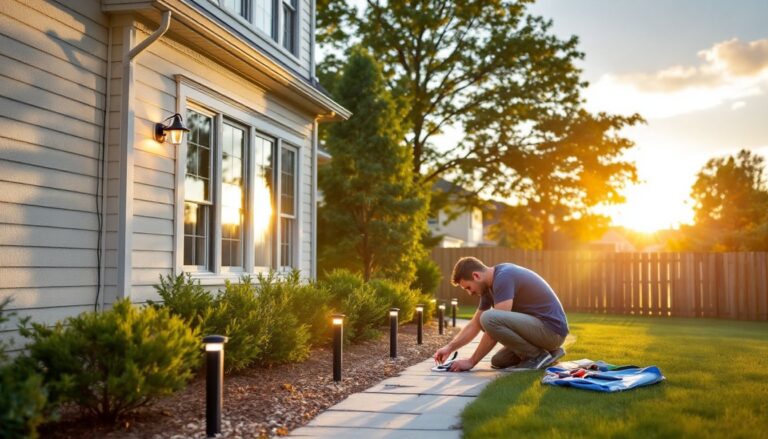
Pathways and walkways: Low-voltage (12V) path lights are safer and easier to install than line voltage. Space them 6–10 feet apart along the path edge. Overlap their light pools slightly for even coverage. Plastic fixtures fade and crack: choose powder-coated aluminum or solid brass. Stake-mount lights are fine for lawns, but use surface-mount or flush-mount fixtures on hardscaping.
Decks and patios: String lights (cafe lights) set ambiance but don’t provide task lighting. Supplement them with post cap lights on railing posts (typically 4×4 or 6×6 nominal) or recessed deck lights between boards. If building a new deck, plan for lighting during framing, it’s easier to run wire before decking goes down. Ensure fixtures are rated for outdoor use, not just “outdoor-inspired” indoor designs sold at big-box stores.
Eaves and soffits: Recessed soffit lights (also called canless lights or retrofit downlights) work well under overhangs. They need a damp or wet rating depending on exposure. Make sure you’re not drilling into structural elements, locate joists and trusses before cutting holes. For retrofit work in finished soffits, canless LED fixtures with spring clips install from below without attic access.
Trees and landscaping: In-ground well lights and bullet-style spotlights mounted on stakes let you uplight focal points. Use narrow beams (15–25 degrees) to graze tree bark or highlight specific plants. Avoid lighting from below on deciduous trees during bare winter months, the effect looks skeletal. When exploring options for accent and home lighting design, ensure fixtures blend with landscape materials.
Poolside and water features: UL listing for wet locations is non-negotiable here. Some jurisdictions require GFCI protection and specific setback distances from water. LED strip lighting in waterproof (IP67+) silicone sleeves works for water features, but installation often requires an electrician due to local code. Low-voltage systems (12V) reduce shock risk compared to 120V.
Columns and pillars: Pier mount fixtures sit atop masonry or wood columns. Match the fixture’s base size to the column, a 3-inch base on an 8-inch pillar looks awkward. Some mounts include adapters for different column sizes. If the column isn’t already wired, surface conduit on the back (hidden from street view) avoids core-drilling masonry.
For homeowners planning a cohesive lighting scheme, quality fixture collections offer coordinated designs across different fixture types, wall sconces, post lights, and hanging pendants with matching finishes and styles. This prevents the visual mismatch that happens when buying one-off fixtures across multiple trips.
Consider smart controls and dimmers for flexibility. Many LED-compatible outdoor fixtures work with standard dimmers, but verify compatibility, not all LEDs dim smoothly. Smart switches and timers (astronomical timers adjust for sunset/sunrise changes throughout the year) automate lighting without thinking about it. Some newer fixtures include built-in smart controls, but retrofit smart switches often cost less and work with any fixture.
Conclusion
Choosing outdoor lighting fixtures comes down to understanding exposure, function, and design consistency. Start with IP ratings and material durability to ensure the fixture survives your climate. Match style to architecture and use the right light source for the task. And don’t rush installation, proper placement and wiring prevent callbacks and hazards. Get these factors right, and your lighting will enhance safety and curb appeal for years.