

Table of Contents
ToggleInstalling landscape lighting isn’t just about making your yard visible after dark, it’s about extending your living space, boosting curb appeal, and adding layers of security. Vista landscape lighting systems give homeowners professional-grade fixtures and components that rival what contractors install, but with DIY-friendly designs. These low-voltage systems are forgiving to work with, code-compliant in most jurisdictions, and built to handle weather extremes. Whether you’re highlighting a specimen tree, illuminating walkways, or creating drama around architectural features, Vista offers the reliability and flexibility to get it done right the first time.
Key Takeaways
- Vista landscape lighting systems operate at safe 12V AC, making DIY installation accessible while reducing conduit burial requirements and installation risk.
- Professional-grade brass and copper construction on Vista fixtures resists corrosion from freeze-thaw cycles, salt air, and UV exposure far better than aluminum or plastic alternatives.
- Low-voltage landscape lighting with Vista can be integrated into smart home setups through third-party relays for scheduling, motion sensors, and automated scene control.
- Proper wire sizing and voltage-drop calculations are critical—use 12-2 direct-burial cable for runs beyond 50 feet and keep voltage loss below 10% to prevent dimming.
- Annual maintenance including lens cleaning, connection inspection, and fixture testing extends the life of your Vista landscape lighting system well beyond a decade.
What Is Vista Landscape Lighting?
Vista is a professional-grade landscape lighting brand that specializes in low-voltage outdoor lighting systems. Operating primarily at 12V AC, these systems use a transformer to step down standard household 120V power to a safer, more manageable voltage. This makes installation less risky for DIYers and reduces the need for conduit burial in many jurisdictions (always check local codes).
Vista manufactures a full range of components: path lights, spotlights, well lights, hardscape fixtures, transformers, and wire. The brand is known for solid brass and copper construction on many fixtures, which resist corrosion far better than aluminum or plastic alternatives. Fixtures typically use MR16 or integrated LED bulbs, with wattages ranging from 1.5W LEDs up to 20W halogens for legacy systems.
What sets Vista apart is the focus on replaceable components and modular design. Bulbs, lenses, and stakes can be swapped without replacing entire fixtures, a practical advantage when a lens cracks or you want to change beam spread. The systems are also compatible with photocell and timer controls, plus smart home integrations through third-party relays.
Why Choose Vista for Your Outdoor Lighting Needs
Durability is the first reason. Vista’s brass and copper housings handle freeze-thaw cycles, coastal salt air, and UV exposure without pitting or fading. Cheaper fixtures oxidize within two seasons: Vista’s patented finishes (like natural brass and antique bronze) age gracefully or maintain their look for years.
Warranty coverage is another factor. Most Vista fixtures carry a 15-year warranty on housing and a 5-year warranty on electronics, which is significantly longer than big-box store brands. This matters when you’re burying junction boxes and running 100 feet of 12-gauge cable, you don’t want to dig it all up in three years.
The low-voltage advantage can’t be overstated. A 12V shock is uncomfortable but not dangerous, and in most areas, low-voltage wiring doesn’t require conduit if buried at least 6 inches deep (verify with your local inspector). This cuts installation time and cost. You can also extend runs more easily, 12-2 or 14-2 direct-burial cable is flexible and affordable.
Vista’s compatibility with modern controls makes it easy to integrate lighting systems into smart home setups. Pair a standard transformer with a Zigbee or Z-Wave relay, and you can schedule scenes, trigger lights via motion sensors, or sync with outdoor cameras.
Popular Vista Landscape Lighting Products and Fixtures
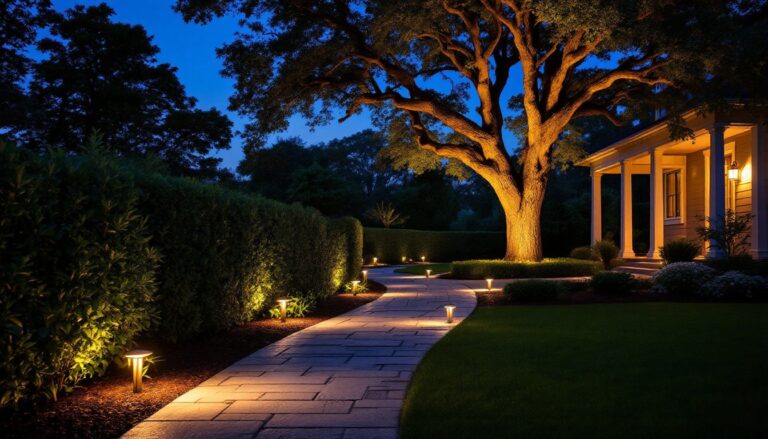
Path lights are the most common entry point. Vista’s 2-watt and 3-watt LED path lights provide warm (2700K–3000K) downlighting for walkways and garden beds. Look for models with interchangeable lenses, clear for crisp shadows, frosted for diffused light. Heights range from 18 to 30 inches: taller fixtures prevent glare at eye level when walking.
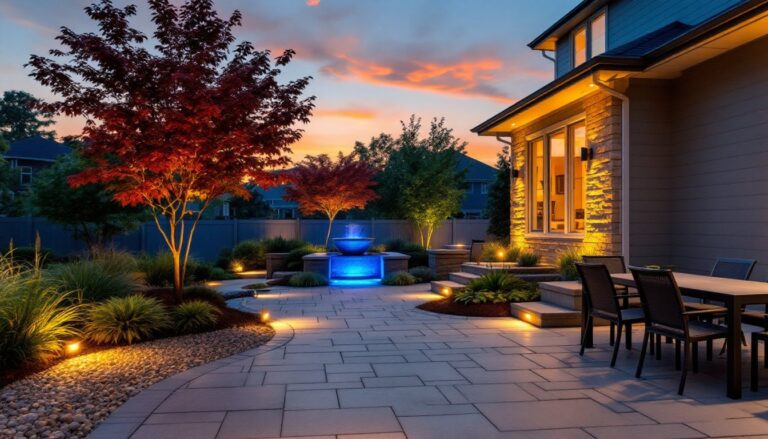
Spotlights and bullet fixtures handle accent lighting. The Pro Series LED spotlight offers adjustable beam spreads (10°, 25°, or 40°) via snap-in lenses. Use narrow beams for uplighting tree trunks or columns, and wider floods for washing walls or shrubs. The integrated LED models draw 4–7 watts and output 300–500 lumens, bright enough to compete with ambient streetlight.
Well lights recess into the ground for a flush look. Vista’s die-cast aluminum well lights come with tempered glass lenses rated for vehicle traffic (up to 5,000 lbs), making them suitable for driveway edges. Install these with a gravel bed for drainage: sitting water will corrode even the best fixtures over time.
Hardscape lights fit into retaining walls, steps, and deck posts. The recessed step light uses a 1.5W LED and mounts in a standard 2-gang electrical box, making retrofits straightforward. These are essential for code compliance on stairs with more than two risers in many jurisdictions.
For transformers, the Pro Series 300W and 600W models are workhorses. They include built-in photocells and timers, multiple taps for voltage compensation on long runs (12V, 13V, 14V, 15V), and stainless steel enclosures. Mount them within 3 feet of a GFCI-protected outlet.
Planning Your Vista Landscape Lighting Installation
Start with a lighting plan on paper or via a simple sketch app. Walk your property at dusk and note where you need visibility (steps, gates, address numbers) versus where you want ambiance (trees, water features, architectural details). Mark existing outlets and note distances, voltage drop becomes an issue beyond 100 feet on 14-gauge wire.
Calculate total wattage by adding up all fixture loads, then multiply by 1.25 for headroom. A 300W transformer can handle roughly 240W of fixtures in practice. If you’re mixing LED and halogen, remember LEDs draw far less but may cause compatibility issues with older magnetic transformers, Vista’s electronic transformers handle both.
Determine your wire runs and gauge. For runs under 50 feet with fixtures totaling under 100W, 14-2 direct-burial cable works fine. Beyond that, step up to 12-2 to minimize voltage drop. Vista publishes voltage-drop charts in their install guides: aim to keep drop below 10% (1.2V loss on a 12V system).
Transformer placement is critical. It must be within reach of a GFCI outlet, mounted at least 12 inches above grade to prevent water intrusion, and accessible for seasonal adjustments. Never mount transformers inside combustible enclosures or on wood siding directly, use a weather-rated outlet box or mount to masonry.
Incorporating inspiration from landscape design principles can help you frame focal points with light, think layered illumination rather than floodlighting everything.
Permits are rarely required for low-voltage outdoor lighting, but always check local codes. Some jurisdictions restrict outdoor lighting near property lines or wetlands.
DIY Installation Tips for Vista Lighting Systems
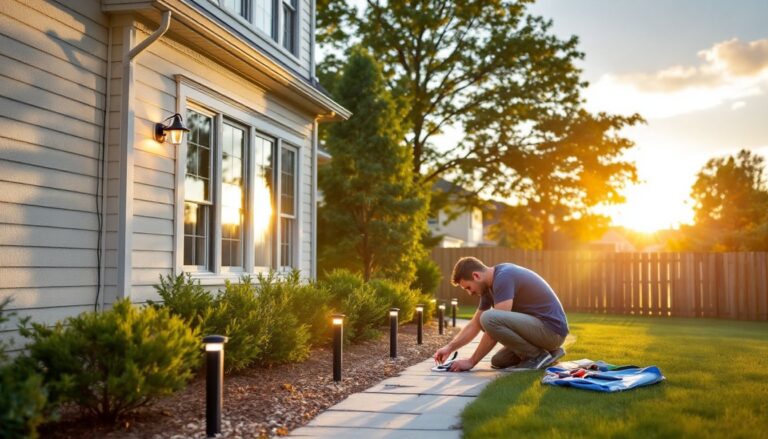
Gather your tools: a flat-blade trenching shovel or a power edger for cable runs, wire strippers, screwdriver set, silicone-filled wire nuts (not standard twist connectors, they’ll corrode), a voltage tester, and safety glasses. You’ll also need marking flags and a tape measure.
Trench depth matters. Most codes allow direct-burial low-voltage cable at 6 inches, but going 8–10 inches adds protection from aeration and digging accidents. Avoid sharp 90° bends in wire, gentle curves prevent insulation stress.
Fixture placement: Path lights should be spaced 8–12 feet apart, alternating sides for even coverage. Spotlights work best 2–5 feet from the object you’re lighting, angled 30–45° for depth. Well lights go directly below or slightly in front of features.
Wire connections are where most DIY failures happen. Strip 3/8 inch of insulation, twist wires clockwise, cap with a silicone-filled wire nut, and wrap with self-fusing silicone tape (not electrical tape, which degrades outdoors). Bury connections at least 6 inches deep: above-grade splices invite corrosion.
When running multiple fixtures on one home run, use the daisy-chain method: main cable runs from transformer, with short pigtails to each fixture via waterproof connectors. Some Vista fixtures have quick-connect terminals that pierce cable insulation, these are fast but can cause voltage drop if over-tightened.
Test before burying. Power up the system, check each fixture with a multimeter (should read 11.5–12.5V at the fixture), and walk the yard at night to evaluate spacing and aim. Adjust now, not after you’ve backfilled 200 feet of trench.
For complex layouts, tools and resources on Houzz provide examples of professional installations and contractor portfolios to guide your design decisions.
Backfill carefully. Don’t throw rocks or frozen clods onto cable. Tamp soil gently to avoid voids that’ll settle later.
Maintenance and Troubleshooting Your Vista Lights
Annual cleaning keeps fixtures bright. Use a soft brush and mild detergent, avoid pressure washers, which can force water past O-rings. Remove lenses and wipe interior reflectors with a microfiber cloth. Check O-rings and gaskets for cracking: replacements are inexpensive and prevent moisture intrusion.
Bulb replacement is straightforward on Vista fixtures. Twist the lens cap counterclockwise, pull the bulb, and match the wattage and base type (usually GU5.3 or MR16). LED bulbs typically last 25,000–50,000 hours, but power surges or voltage spikes can shorten life.
If fixtures flicker or dim over time, suspect voltage drop or corroded connections. Use a multimeter to check voltage at the furthest fixture on each run. Readings below 10.5V indicate excessive drop, solutions include upsizing wire, shortening the run, or using a higher voltage tap on the transformer.
Transformer issues usually show as no output or tripped breakers. Check the GFCI outlet first, reset if needed. Inspect transformer fuses or circuit breakers (many Vista models have replaceable 5A or 10A fuses). If the photocell fails, the transformer may run 24/7: replace the photocell or bypass it temporarily with the manual override.
Moisture in fixtures happens when seals fail. Disassemble, dry components, replace gaskets, and apply a thin coat of silicone dielectric grease to threads before reassembly. Persistent moisture suggests a cracked lens or housing, warranty replacement is the fix.
For routine care tips and seasonal adjustments, guides on The Spruce offer comprehensive checklists for outdoor lighting maintenance.
Landscape changes often require fixture adjustments. Trees grow, beds get replanted, and what worked three years ago may need repositioning. Keep spare stakes and adjustable mounts on hand.
Conclusion
Vista landscape lighting delivers the durability and performance that makes outdoor lighting a worthwhile investment rather than a recurring frustration. With thoughtful planning, solid installation technique, and basic upkeep, a Vista system will light your property reliably for a decade or more. The key is treating it like any other exterior system, check connections annually, clean lenses, and address voltage drop before it becomes a problem. Done right, your nights outside become as usable as your days.