


In today’s fast-paced world, homeowners are increasingly seeking ways to enhance their living spaces. Functional renovations offer a practical solution, transforming ordinary areas into efficient, stylish environments that cater to modern needs. Whether it’s reconfiguring a cramped kitchen or optimizing a cluttered home office, these renovations focus on maximizing utility without sacrificing aesthetics.
As lifestyles evolve, so do the demands placed on our homes. Functional renovations not only improve the flow of daily activities but also add significant value to properties. By prioritizing functionality, homeowners can create spaces that work for them, making everyday tasks easier and more enjoyable. Embracing these renovations can lead to a more harmonious living experience tailored to individual preferences.
Understanding Functional Renovations
Functional renovations focus on enhancing the usability and efficiency of living spaces while also boosting aesthetics. These improvements align with contemporary lifestyles and preferences, making homes more adaptable.
Definition and Importance
Functional renovations refer to modifications made to existing structures aimed at improving their practicality and effectiveness. They often include reorganizing layouts, integrating smart technology, and upgrading fixtures. Such renovations play a critical role in ensuring that living spaces cater to evolving needs, thereby enhancing both comfort and utility.
Benefits of Functional Renovations
- Enhanced Efficiency: Functional renovations streamline spaces, maximizing accessibility and utility. They often lead to improved workflows, especially in kitchens and home offices.
- Increased Property Value: Renovations that prioritize functionality tend to increase real estate market appeal, thereby raising property values.
- Personalized Spaces: Customization options allow homeowners to create environments that reflect individual lifestyles and preferences.
- Sustainability: Many functional renovations incorporate eco-friendly materials and energy-efficient technologies, promoting a more sustainable living environment.
- Improved Comfort: Enhanced layouts improve overall comfort by creating personalized areas tailored for relaxation or productivity.
Types of Functional Renovations
Functional renovations encompass various improvements with specific focuses on enhancing usability and efficiency. The following categories represent key areas where such renovations often occur.
Kitchen Renovations
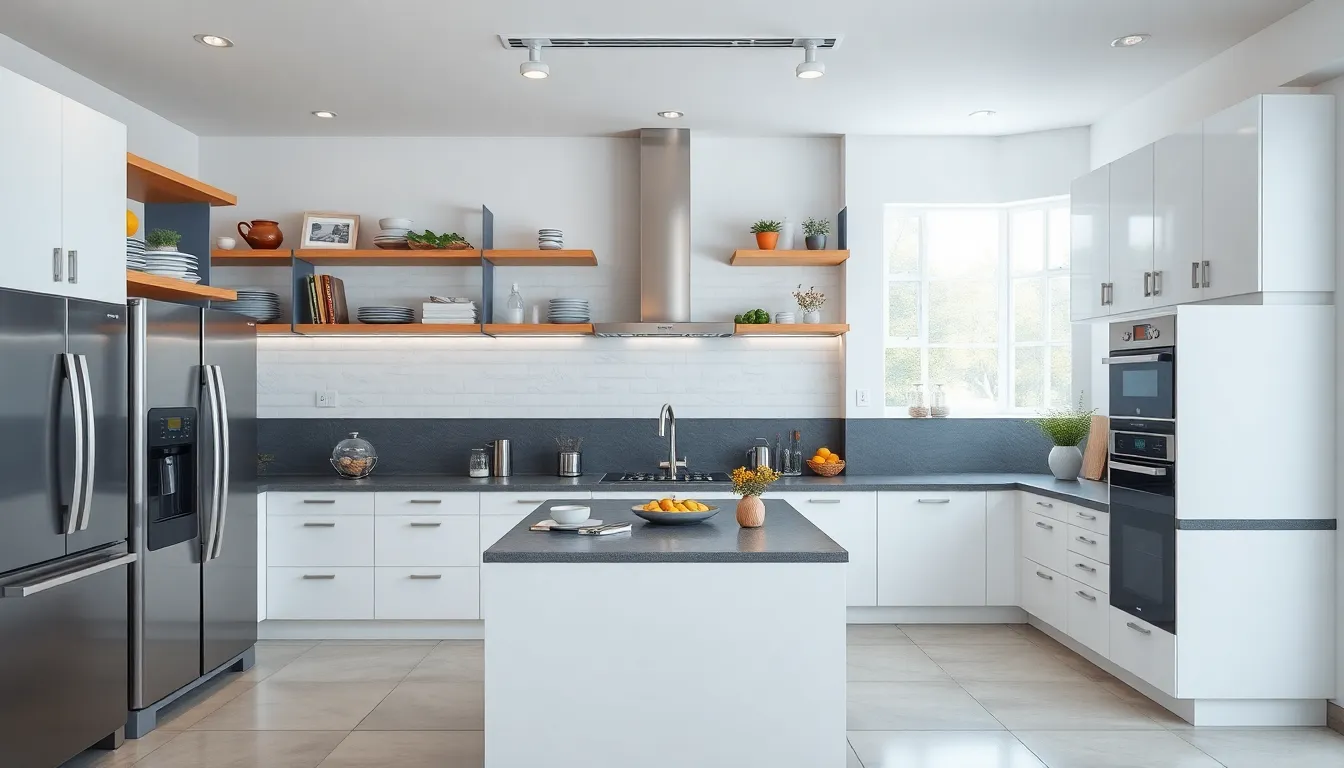
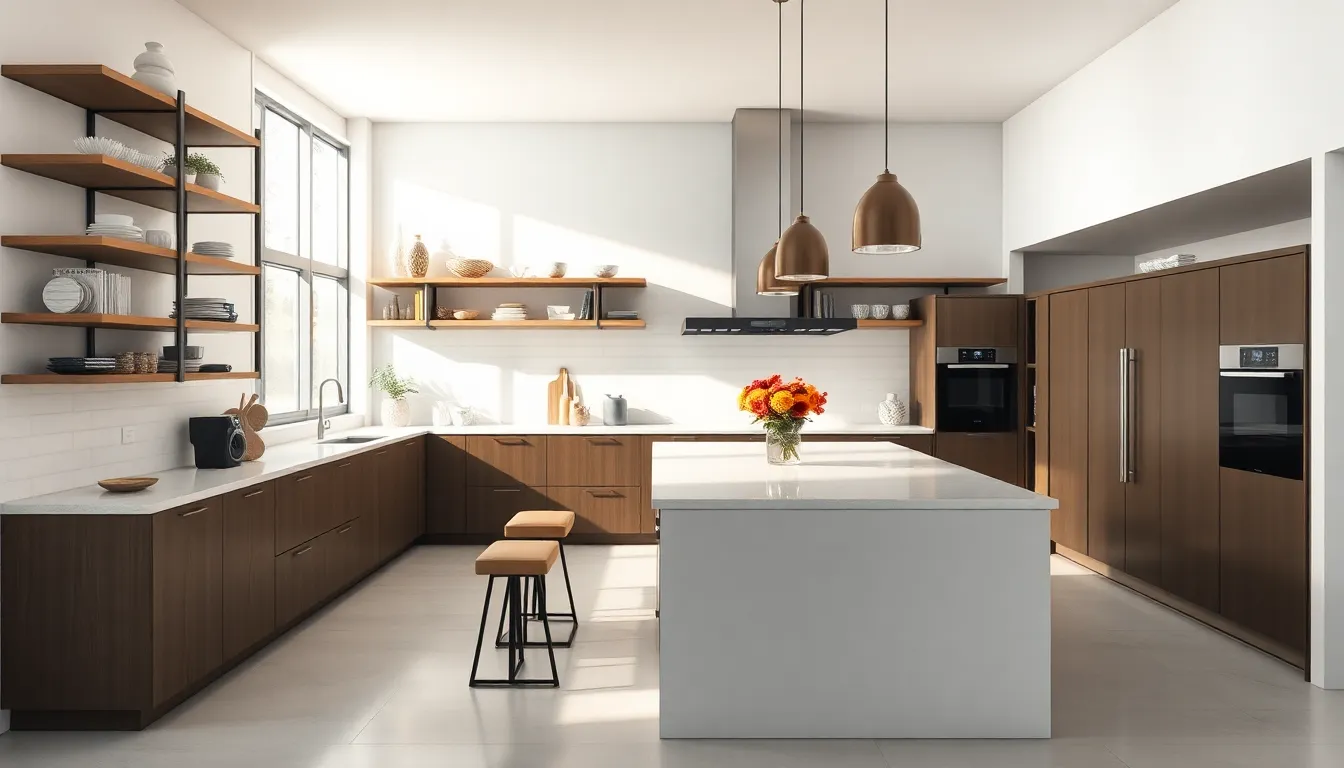
Kitchen renovations target the heart of the home, aiming to optimize space for cooking and socializing. Common upgrades include the installation of open shelving, which increases accessibility, and the addition of kitchen islands that enhance workflow and seating capacity. Integrating smart appliances streamlines tasks and improves energy efficiency. Reconfiguring layouts, such as transitioning from a galley to an L-shaped design, maximizes available space. These changes not only elevate functionality but also contribute to a modern aesthetic that appeals to potential buyers.
Bathroom Upgrades
Bathroom upgrades focus on creating serene and practical environments. Installing dual sinks caters to busy households by reducing wait times. Walk-in showers replace traditional bathtubs, offering convenience and ease of access. Incorporating energy-efficient fixtures, such as low-flow toilets and LED lighting, significantly reduces water consumption and energy costs. Adding storage solutions, like built-in cabinets or shelving, enhances organization and maximizes square footage. These enhancements elevate comfort without sacrificing style, aligning with modern design trends.
Outdoor Improvements
Outdoor improvements expand functional living areas beyond the walls of the home. Constructing patio spaces or decks provides additional venues for entertaining and relaxation. Implementing landscaping with native plants enhances aesthetics while promoting sustainability. Installing outdoor kitchens extends cooking capabilities and creates an attractive space for gatherings. Incorporating smart irrigation systems optimizes water usage, contributing to eco-friendly practices. These renovations transform backyards into versatile environments that accommodate leisure and social interactions.
Planning for Functional Renovations
Planning for functional renovations requires careful consideration of individual needs and financial resources. Homeowners should approach the process methodically to achieve effective and lasting results.
Assessing Your Needs
Assessing needs starts with evaluating existing spaces. Determine how each area currently functions and identify any challenges that hinder usability. Homeowners can make a list of priorities, focusing on necessary changes that would enhance comfort and efficiency. For instance, families may require more storage solutions, while individuals working from home might need dedicated office spaces. Measuring dimensions and analyzing traffic flow can also support effective redesigns. Consulting with professionals can provide insights and suggestions tailored to specific requirements.
Budgeting and Financing Options
Budgeting plays a crucial role in planning functional renovations. Homeowners should establish a detailed budget that includes design, materials, labor, and unexpected costs. Researching financing options is essential for accommodating larger projects. Potential financing avenues include home equity loans, personal loans, or specialized renovation loans. Gathering multiple quotes from contractors can help compare costs and ensure competitive pricing. Setting aside a contingency fund, typically 10% to 20% of the total budget, provides a safety net for unexpected expenses. This strategic approach ensures financial preparedness while achieving desired renovations.
Execution of Functional Renovations
Executing functional renovations requires careful planning and strategic decision-making to maximize benefits. Homeowners must choose the right professionals and manage timelines effectively for successful outcomes.
Choosing the Right Contractors
Selecting the right contractors is essential in achieving high-quality functional renovations. Homeowners should consider the following criteria:
- Experience: Seek contractors with a proven track record in functional renovations. Look for portfolios showcasing successful projects similar to the homeowner’s vision.
- Reputation: Check online reviews and testimonials. Reliable contractors maintain positive reputations, indicating consistent customer satisfaction.
- Licensing and Insurance: Ensure contractors possess necessary licenses and liability insurance. This protects homeowners from potential risks during the renovation process.
- Communication Skills: Choose contractors who effectively communicate ideas and address concerns. Clear communication fosters a smooth renovation experience.
- Detailed Estimates: Request detailed written estimates from multiple contractors. Comparing these estimates aids homeowners in assessing project scopes and budget implications.
Managing Renovation Timeline
Managing the timeline effectively ensures renovations stay on track. Homeowners should adhere to these strategies:
- Set Clear Milestones: Establish specific phases within the renovation. Define completion deadlines for each phase to maintain focus.
- Create a Schedule: Develop a detailed schedule that outlines tasks and deadlines. This helps in monitoring progress and ensures all contractors understand their responsibilities.
- Allocate Buffer Time: Integrate buffer time into the schedule. Allow for potential delays related to weather, material availability, or unforeseen complications.
- Regular Check-Ins: Conduct consistent check-ins with contractors. Frequent communication identifies issues early, allowing for timely adjustments.
- Document Progress: Keep records of completed tasks and any changes. Documentation provides a comprehensive overview of the renovation, aiding in managing any future adjustments.
Conclusion
Functional renovations represent a strategic approach to enhancing living spaces that cater to modern needs. By focusing on usability and aesthetics, homeowners can create environments that not only improve daily life but also add significant value to their properties.
With careful planning and execution, these renovations can transform kitchens, bathrooms, and outdoor areas into personalized havens. Homeowners who prioritize functionality can enjoy the benefits of increased efficiency and comfort, all while aligning with contemporary design trends.
Ultimately, embracing functional renovations leads to a harmonious living space tailored to individual lifestyles, making homes more appealing and sustainable for years to come.